
Beginner's Foundation
One Video That Could
Change Everything
About How You Trade
Most beginners spend months getting things wrong before they understand the basics. This free intro video compresses what truly matters into a clear, structured lesson. so you can start smarter, not harder.
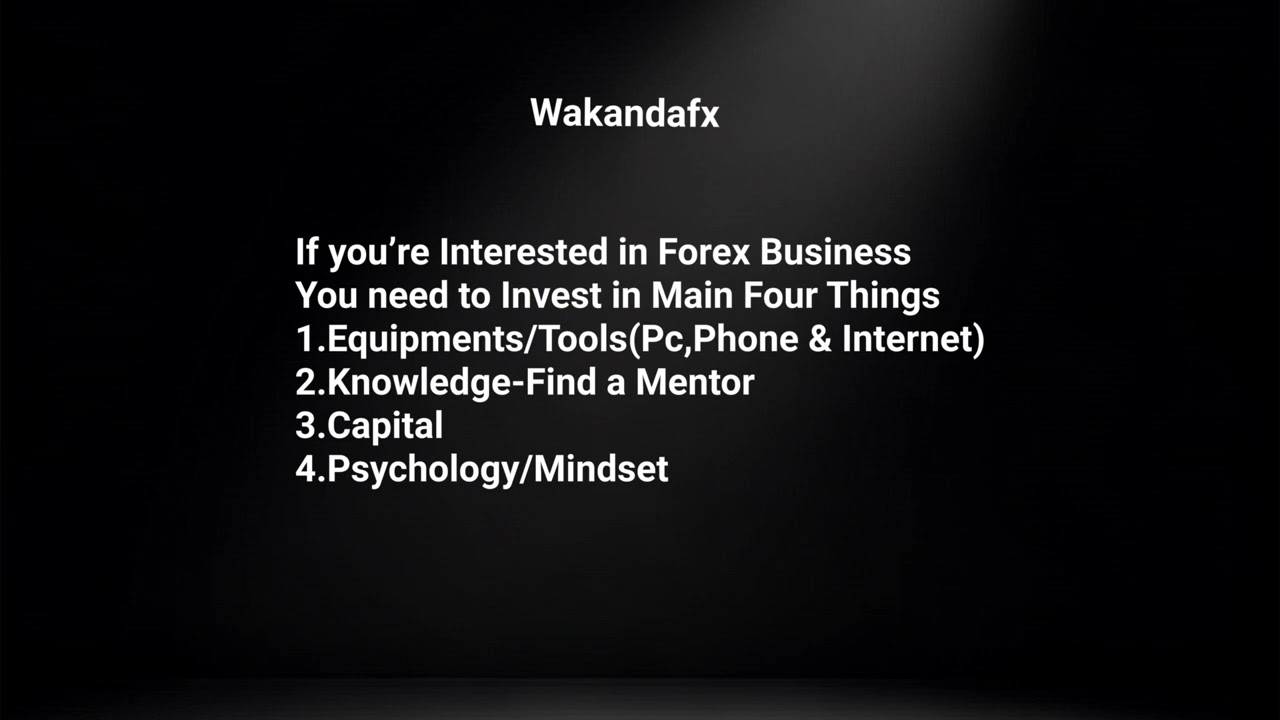

Welcome to Forex Trading
Have you ever wondered what it means to trade currencies?
That's essentially what Forex trading is — buying and selling currencies with the goal of profiting from changes in their value.
The best part?
You don't need to be a seasoned financial expert to get started.
If you've ever exchanged money while traveling abroad, you've already participated in a simple form of currency trading. In this guide, we'll strip away the complexity and walk you through the basics of Forex trading, explaining how the market works, key strategies, and how to take your first steps.
Forex Trading Guide
Click on each section to expand and learn more
Can I Trade Forex From Anywhere?
Yes, Forex is accessible from almost anywhere with an internet connection. You can trade on desktop or mobile platforms, making it convenient no matter where you are.
The Forex market operates 24 hours a day, 5 days a week, which means there's always a trading opportunity available during business hours in different time zones around the world. Whether you're in New York, London, Tokyo, or anywhere else, you can access the market when it's convenient for you.
What is Forex Trading?
Forex (short for foreign exchange) trading is where you trade one currency for another. It always happens in pairs like EUR/USD, where you trade euros for U.S. dollars. The idea? You're hoping the value of one currency will rise (or fall) compared to the other.
Since currencies are moving all day long, you've got plenty of chances to jump in! Forex is a bit different from stock markets. It runs 24/5 — yes, around the clock, but it sleeps on weekends — so no matter what time zone you're in, you can trade when it's convenient for you.
Key Points:
- Currencies traded in pairs (e.g., EUR/USD, GBP/JPY)
- 24/5 market availability
- High liquidity and constant price movement
- Accessible from anywhere with internet
How Does Forex Trading Work?
Think of Forex trading as guessing which currency will win a tug-of-war. If you think the euro will strengthen against the dollar, you buy the EUR/USD pair. If you think it's going to fall, you sell.
Quick Example:
- Bullish Scenario: You think the euro is going to do better than the U.S. dollar? You'd go ahead and buy EUR/USD.
- Bearish Scenario: If you think the dollar's got the upper hand, then you'd sell that same pair.
It's that simple at the core, but of course, it gets deeper the more you dig in. The key is understanding how to read market signals and manage your risk properly.
Why Trade Forex?
There are plenty of reasons people jump into Forex trading. Here are some of the biggest draws:
1. Always Open
The Forex market is always open during the weekdays. So, whether you're a night owl or an early bird, you can trade at the time that suits you best.
2. Easy to Get Started
You don't need a ton of money to start trading Forex. Some brokers let you dip your toes in with small amounts, and most offer demo accounts to practice without risking any cash.
3. Lots of Liquidity
Forex is huge, and there's always someone ready to take the other side of your trade. This means you can jump in and out of trades fast.
4. Leverage
With Forex, you can control bigger trades than your actual deposit — thanks to something called leverage. But a heads-up: while leverage can boost your profits, it can also lead to bigger losses if things don't go your way.
5. Plenty of Action
Currencies are always moving. Whether it's news from central banks, elections, or trade deals, there's always something shaking up the market — creating opportunities for you to trade.
Key Forex Trading Terms
Before diving into the market, it helps to know some basic terms that you'll come across:
PIPS
These are the tiny movements in a currency pair's price, usually the fourth decimal place (for example, 0.0001).
SPREAD
This is the difference between the buy price (bid) and the sell price (ask). Think of it as a small cost for placing a trade.
LEVERAGE
The ability to control a large position with a smaller amount of money. But watch out — leverage can be a double-edged sword!
MARGIN
This is the amount of money you need to put down to open a leveraged trade.
STOP LOSS ORDER
A tool to automatically close a trade if it moves against you beyond a certain point.
TAKE PROFIT ORDER
The reverse of stop-loss — automatically closes a trade when your profit hits a target.
Advanced Forex Terms You Must Know
To get started in the world of Forex trading it's important to get a grasp of the basics first. Here are 12 important Forex terms that any trader needs to know:
1. Currency Pair
In Forex, currencies are always traded in pairs, such as EUR/USD (Euro/US Dollar) or GBP/JPY (British Pound/Japanese Yen). The first currency in the pair is the base currency, and the second is the quote currency.
2. Bid and Ask Price
- Bid Price: The price at which the market or your broker is willing to buy the base currency
- Ask Price: The price at which the market or broker is willing to sell the base currency
The difference between the bid and ask price is called the spread. For example, if the bid price for EUR/USD is 1.1750 and the ask price is 1.1753, the spread is 0.0003 (3 pips).
3. Pips
A pip (percentage in point) is the smallest price move that a given exchange rate can make based on market convention. In most currency pairs, a pip equals a movement in the fourth decimal place. For Japanese yen pairs (like USD/JPY), a pip is represented by the second decimal place.
How to Get Started with Forex Trading
Ready to start? Here's a quick step-by-step guide to help you dive in:
1. Learn the Basics
Take the time to understand the market, a repeatable trading strategy, and risk management. Mentorship programs can help deepen your knowledge.
2. Create a Trading Plan
This is your game plan — what strategies you'll use, how much you're willing to risk, and what your goals are. Stick to it!
3. Backtest a Strategy
You need to get data on the strategy that you learned to prove to yourself that it works and that you can operate properly.
4. Find a Broker
Selecting the right Forex broker is crucial for success. Look for one that's regulated and offers competitive spreads, as well as platforms like MetaTrader 4 or 5.
5. Start Small
Once you feel confident, start with a small amount of real money. As you gain experience, you can scale up your trades.
Ready to Begin Your Trading Journey?
Now that you understand the basics of Forex trading, it's time to take the next step. Open a demo account to practice, develop your strategy, and gain confidence before trading with real money.
Start with WakandaFX